
The Boruto manga timeskip is a several year jump that starts Boruto: Two Blue Vortex, shifting the story into a darker, higher stakes era. It happens after Chapter 80, with about three years passing in universe as Boruto trains in secrecy and becomes a fugitive.
After the jump, Naruto is absent, Kawaki’s position changes, and Boruto returns older and treated as an enemy by Konoha.
Read the full ComicK article below for a clear breakdown of the Boruto manga timeskip and what changes after it.
Boruto manga timeskip explained
The Boruto manga timeskip refers to the narrative jump that moves the story several years into the future, transitioning Boruto: Naruto Next Generations into a darker and more mature phase now known as Boruto: Two Blue Vortex.
After the timeskip, Boruto and his generation are no longer children in training but young fighters shaped by loss, betrayal, and global conflict. This shift fundamentally changes the tone, pacing, and stakes of the manga.
Rather than being a simple visual upgrade, the Boruto manga timeskip restructures the entire storyline.
The world is no longer stable, Naruto is absent from power, Kawaki’s role has drastically changed, and Boruto himself is treated as an enemy by the very village he once protected.
When the Boruto manga timeskip happens
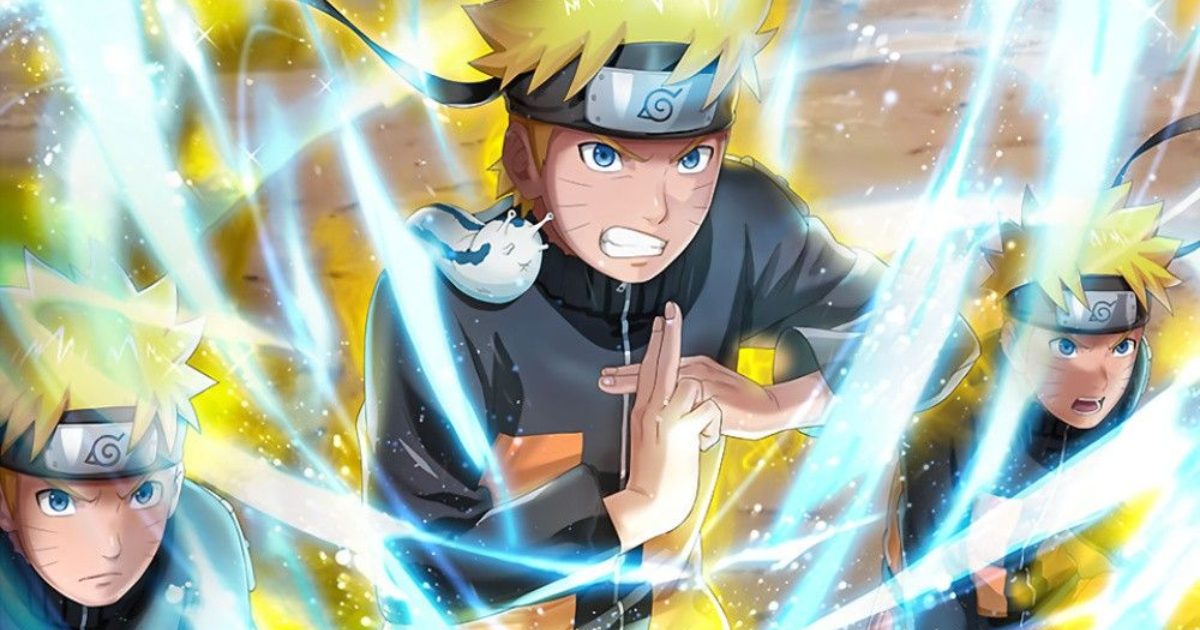
The timeskip officially occurs after the conclusion of Boruto: Naruto Next Generations Chapter 80. The next chapter launches a new serialization under the title Boruto: Two Blue Vortex, signaling a clear separation between the pre-timeskip and post-timeskip eras.
In-universe, approximately three years pass. During this period, Boruto disappears from Konoha, trains in secrecy, and becomes a fugitive due to the altered memories of the world caused by Eida’s omnipotence ability.
What changes after the Boruto manga timeskip
The most noticeable change after the Boruto manga timeskip is the atmosphere. The story abandons its lighter, academy-style beginnings and embraces a tone closer to late-stage Naruto Shippuden.
Violence feels heavier, consequences are permanent, and moral lines are blurred.
Boruto returns older, colder, and far more capable. His combat style is refined, his confidence is sharper, and his emotional restraint reflects years of survival outside the system.
Konoha itself feels unfamiliar, both visually and politically, reinforcing the idea that Boruto no longer belongs where he once called home.
Character transformations after the timeskip
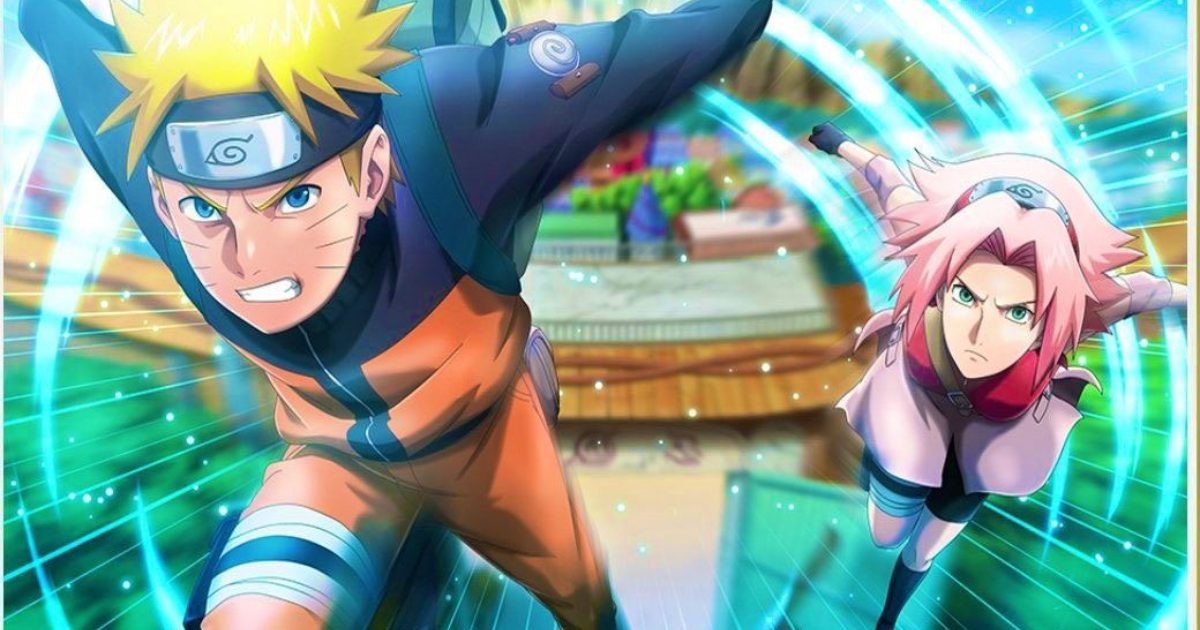
The Boruto manga timeskip significantly reshapes its core cast. While many characters grow physically, the deeper transformation is psychological.
Key character changes include:
- Boruto Uzumaki becoming a rogue shinobi with advanced combat mastery
- Kawaki assuming Naruto’s place in the village’s narrative
- Sarada Uchiha rising as a leader figure burdened by truth
- Mitsuki questioning loyalty and identity
- Konoha shifting toward fear-based decision making
These changes are not cosmetic. Each character reflects the long-term impact of the events before the timeskip, especially the loss of Naruto’s presence and the manipulation of global memory.
Boruto’s role after the manga timeskip
After the Boruto manga timeskip, Boruto is no longer treated as a hero in waiting. He is framed as a threat, hunted by allies, and forced to survive without institutional support.
This role reversal mirrors classic tragedy arcs and positions Boruto as one of the most isolated protagonists in the Naruto franchise.
His maturity is not portrayed as arrogance but as necessity. Every action he takes carries risk, and every reunion is filled with tension rather than nostalgia.
How the timeskip changes the story’s direction
The Boruto manga timeskip signals a permanent shift in narrative direction. The story no longer focuses on inheritance and legacy alone, but on identity, truth, and whether a hero can exist without recognition.
Instead of preparing Boruto to become Hokage, the manga explores what happens when destiny is forcibly rewritten. This thematic evolution sets Boruto apart from Naruto while still honoring its roots.
Why the Boruto manga timeskip matters
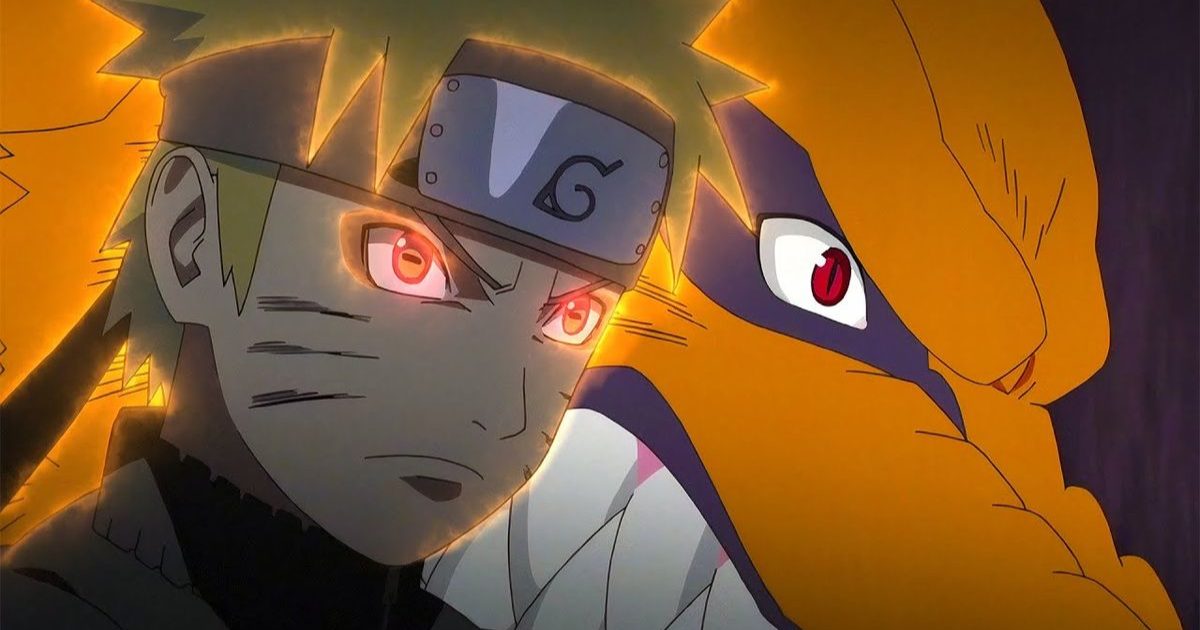
The importance of the Boruto manga timeskip lies in its commitment to growth.
Characters are allowed to age emotionally, relationships fracture realistically, and the world responds harshly to fear and misinformation.
This shift elevates Boruto from a sequel series into a standalone narrative with its own philosophical weight. It challenges readers to reconsider heroism, loyalty, and justice in a shinobi world that no longer offers clear answers.
FAQs about Boruto manga timeskip
How many years is the Boruto manga timeskip
The Boruto manga timeskip spans approximately three years within the story, allowing characters to mature both physically and mentally.
Is Boruto stronger after the timeskip
Yes, Boruto is significantly stronger after the timeskip, displaying improved combat skills, chakra control, and tactical awareness.
Why is Boruto a criminal after the timeskip
Boruto is labeled a criminal because Eida’s omnipotence ability alters the world’s memories, making Kawaki appear as Naruto’s true son.
Does Naruto appear after the Boruto manga timeskip
Naruto does not actively appear after the timeskip, as he remains sealed, which deeply affects the political balance of the ninja world.
Is Boruto Two Blue Vortex the same manga
Boruto: Two Blue Vortex is the continuation of the Boruto manga after the timeskip, not a separate story.
Will the anime adapt the Boruto manga timeskip
The anime is expected to adapt the Boruto manga timeskip in future arcs once production resumes and sufficient chapters are available.
The Boruto manga timeskip is not just a narrative reset but a defining moment that makes the series darker, deeper, and more emotionally complex. Fans still ask questions like does Naruto dies in Boruto because his absence reshapes the entire power structure.
By aging its characters and reshaping the world they live in, Boruto steps out of Naruto’s shadow and establishes its own identity.
For more detailed analysis and canon-based breakdowns of the Boruto universe, readers can explore related articles on ComicK covering Boruto manga timeskip developments and future story arcs.

Emily is a content editor at ComicK, specializing in compiling and editing information related to Manga, Manhwa, and Manhua. Her articles emphasize accuracy, timeliness, and the ability to help readers quickly identify trending topics in the comic world.